
Fragile DHS/ICE Transparency
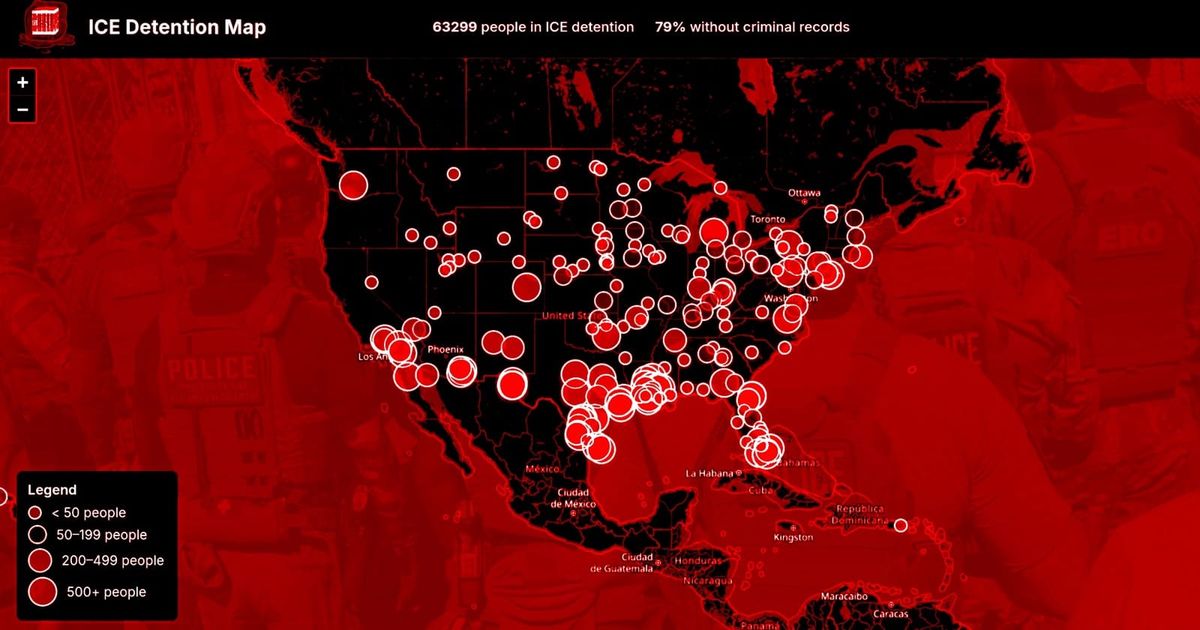
Starting in July 2025, we ran a project called ICEWatch that displayed data on detentions. It simply downloaded data that ICE was already publishing and rendered it on a map. Facility by facility, you could see how many people were locked up, their ICE “threat level” including if they had no threat level at all, and if they had a criminal record. We didn’t have to FOIA or sue anyone to get this data; we just made it legible.
The Trump administration has been consistent in claiming that the people being detained are murderers, human traffickers, and other “criminals”. Our project made clear that ICE’s own data states otherwise. Across the biweekly releases, a large majority of people in ICE detention had no criminal conviction at all - depending on the month, usually in the vicinity of 70% had no criminal conviction.
While a large share had no convictions nor pending charges, it’s also important to note that a pending charge is an unresolved allegation that can be dismissed or end in acquittal. ICE and DHS routinely castigate someone with a pending charge, even if minor, as a “criminal”. This flatly contradicted the agency’s public framing: they were not rounding up dangerous criminals, but regular folks.
This data was published on the DHS website due to a transparency requirement in the DHS Appropriations Act. The requirement directed DHS to release a specific set of immigration enforcement data, including the detention population and facilities used. These requirements continued until this year, when Congress split DHS funding in two.
On April 30, 2026, President Trump signed H.R. 7147 - Homeland Security and Further Additional Continuing Appropriations Act - into law which funds DHS during fiscal year 2026. After opposition from Democrats, that bill left ICE and CBP funding out - and the publication mandate that previously was in the appropriations acts since at least 2020 does not appear to be in the enacted text.
Instead ICE and CBP were funded through the budget reconciliation process, bypassing the normal appropriations process and the transparency requirements. Since there is no longer a legal requirement to publish data, no new data has been published by ICE since April 9, 2026.
Projects like ICEWatch that rely on transparency from the agencies themselves are dead. The work will need to continue using an adversarial approach - where folks FOIA and then sue for this data, like the Vera Institute dashboard and the Deportation Data Project are doing. That path is slower and more contentious, but it has a decisive advantage: it doesn’t depend on the fragile transparency that can be left out of next year’s appropriations bill.